Muscle-Building Diet Plan: Eat Enough Without Gaining Excess Fat
Build muscle with a practical lean-bulk diet plan: calories, protein, carbs, fats, meal timing, supplements, sleep, and weekly tracking.
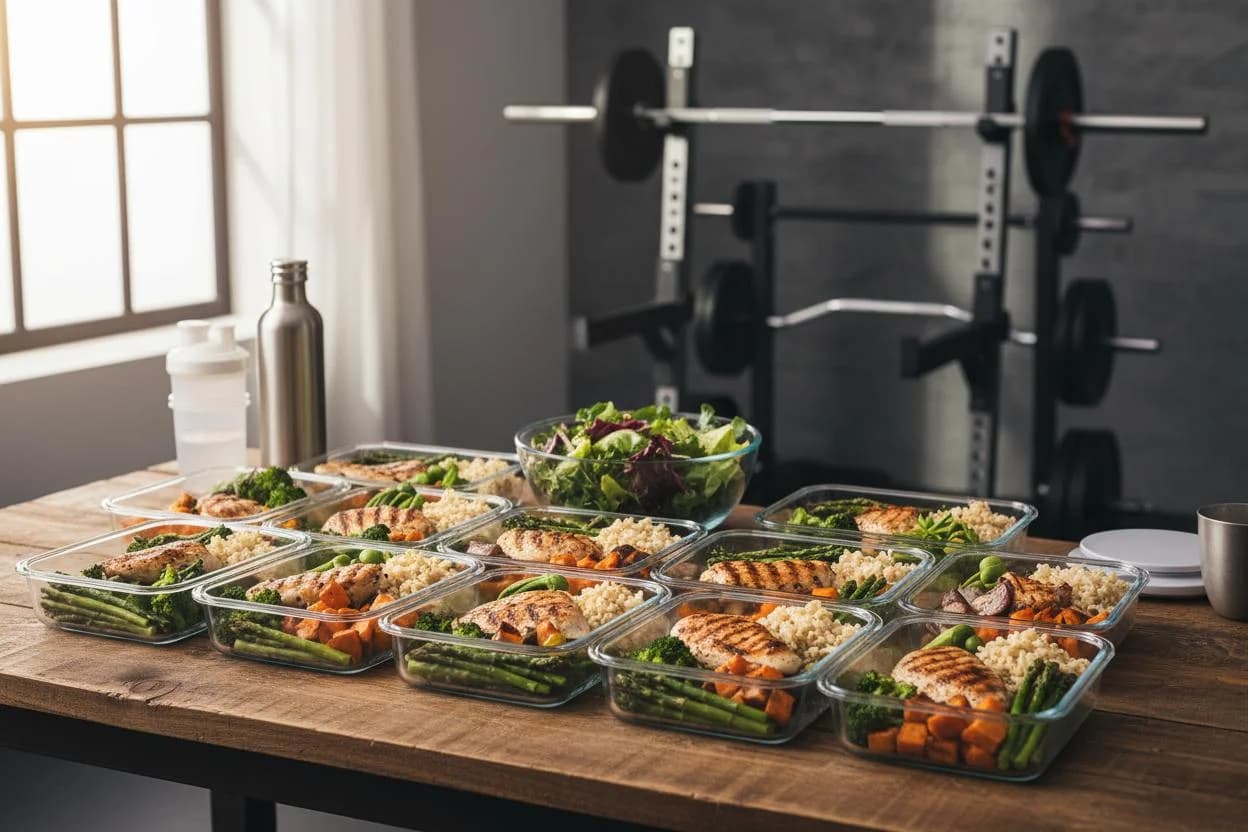
Quick answer: eat a small surplus you can repeat
A muscle-building diet is not a week of huge meals. It is a repeatable system that gives your body enough energy and protein to repair hard training while keeping fat gain under control. Start with a small calorie surplus, keep protein steady, place carbohydrates around training, and review your body weight and gym performance every week. If you are gaining strength and weight slowly, the plan is working. If weight jumps while lifts feel the same, the surplus is too large.
The original Arabic post was written for men who train regularly but do not see muscle growth because food, sleep, and tracking are loose. This repair keeps that intent and makes it easier to act on today. If you are unsure whether you should gain or cut first, compare your current goal with the bulking versus cutting decision guide before raising calories.
Set calories before changing every food
Use maintenance calories as the anchor, then add roughly 300 to 500 calories per day for the first two weeks. That range is only a starting point, not a permanent rule. A 75 kg lifter who maintains around 2,500 calories may start near 2,800 to 3,000 calories. If the scale rises about 0.25 to 0.5 percent of body weight per week and training quality improves, keep the target. If appetite is high but weight does not move, add one controlled snack. If fat gain is quick, remove part of the surplus and use a calorie tracking app setup to make the adjustment visible instead of guessing.
Build meals around protein, carbs, and fats
Protein is the floor of the plan. Most active lifters do well around 1.6 to 2.2 grams per kilogram of body weight, spread across three to five meals. Chicken, eggs, tuna, lean meat, Greek yogurt, milk, whey, lentils, and beans can all work. Carbohydrates are not the enemy during a bulk; rice, oats, potatoes, bread, fruit, and dates help hard sets feel repeatable. Healthy fats from olive oil, nuts, avocado, eggs, and fatty fish support hormones and make the diet easier to sustain.
A practical day can be simple: eggs with oats and fruit at breakfast, chicken or beef with rice and vegetables at lunch, yogurt or whey with dates as a snack, then tuna, meat, or legumes with potatoes and salad at dinner. The exact foods can change with culture, budget, and appetite. The rule is that every day should still hit calories, protein, fiber, and hydration. If one meal is small, do not panic; move the calories to another meal and keep the weekly average stable.
Choose your phone
Put this advice into your next workout
Track the sets, loads, and progress behind what you just learned—without rebuilding the plan from memory.
iOS is available now. Android launch notifications are open.
Avoid the mistakes that make bulking look broken
The most common lean-bulk mistakes are eating randomly, copying a bodybuilder diet that does not match your schedule, skipping legs because food is high, replacing real meals with supplements, and sleeping too little for the training you want. Another mistake is changing the diet every three days. Give a target at least two weeks unless digestion, appetite, or body weight is clearly moving in the wrong direction. Muscle gain is slow enough that weekly trends matter more than single-day scale changes.
Training still has to create the reason for the extra food. If you cannot see which exercises, sets, loads, and reps are improving, the diet becomes hard to judge. Use a smart gym workout tracking app to log the session, mark body weight changes, and compare whether the extra calories are turning into better performance. In Rukn Fitness, the useful habit is not only recording food ambition; it is reviewing the workout log before you add more calories.
Supplements, sleep, and the weekly review
Whey protein is a convenient food shortcut when you cannot reach protein from meals. Creatine monohydrate can help repeated high-effort training for many healthy adults, but it is not a replacement for food, progressive training, or sleep. If you have a medical condition or take medication, ask a qualified clinician before changing supplements. Sleep is the cheapest recovery tool in the plan: poor sleep makes hunger, effort, and training quality harder to read, so fix the routine before assuming you need a larger surplus.
Review the plan once per week. Check average body weight, waist change, appetite, digestion, gym performance, and whether you actually followed the meals. If weight and lifts are flat for two weeks, add a small snack or increase carbs around training. If weight rises too quickly, reduce easy calories from oils, sweets, or oversized portions. Put that review in the Rukn Fitness workout and progress log so your next decision is based on trend data, not mood.
Sources
Evidence used for the protein range, creatine context, and resistance-training progression: ISSN protein position stand ; ISSN creatine position stand ; ACSM resistance training guidance.
Choose your phone
Keep training with the app
Track every set, follow smarter progressions, and bring your workout plan with you when you leave the article.
iOS is available now. Android launch notifications are open.