Active Recovery Day After Strength Training: What to Do Between Hard Sessions
Use active recovery days to move, reduce stiffness, and protect tomorrow's strength session with easy cardio, mobility, and tracking checks.
Active recovery sounds soft until you use it correctly. The point is not to sneak in another hard workout between strength days. The point is to move enough that your joints feel less stiff, your routine stays alive, and tomorrow's first working set gives you a cleaner signal.
Think of an active recovery day as a bridge. If it leaves you warmer, calmer, and more ready to train, it did its job. If it turns into hard intervals, extra leg volume, or a long run that changes tomorrow's squat, it stopped being recovery and became another training stress.
Quick Answer: Keep It Easy Enough to Improve Tomorrow
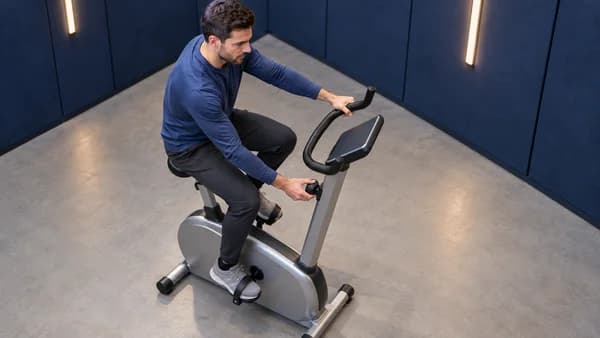
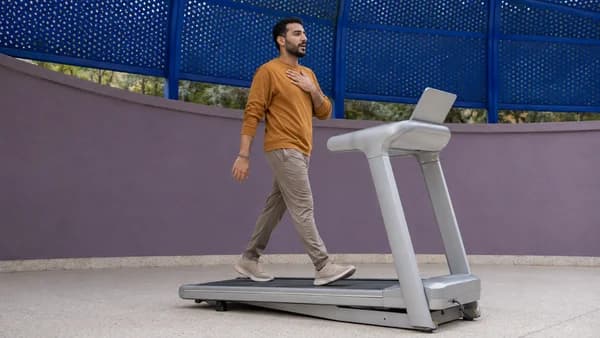
For most lifters, a useful active recovery day is 20-40 minutes of easy walking, relaxed cycling, or light mobility, followed by 5-10 minutes on the stiff areas that actually affect tomorrow's lifts. You should finish feeling better than when you started, not proud that you survived. If breathing turns hard, legs feel heavy, or you need recovery from the recovery day, the session was too much.
The WHO baseline gives useful perspective: adults are encouraged to build toward 150 minutes of moderate activity each week and to train major muscle groups on 2 days per week or more. That does not mean every non-lifting day needs to be intense. It means easy movement can support the week while your hard strength sessions stay hard. If your whole week is still messy, start with a repeatable beginner weekly workout schedule before adding elaborate recovery days.
Use this simple rule. Green soreness means you feel tight but normal, so walk or cycle easily. Yellow soreness means stairs, sleep, or range of motion feel worse than usual, so shorten the session and keep only mobility. Red soreness means sharp pain, limping, unusual swelling, or performance dropping across several sessions, so skip the recovery workout and solve the training load.
What Active Recovery Should and Should Not Do
Active recovery should reduce friction, not prove toughness. A light session can restore rhythm, make the next gym visit feel less abrupt, and help you notice whether soreness is normal or a warning. It should not add hard sets, chase sweat, or become a hidden conditioning workout when your plan already has enough stress.
The evidence is useful but not magical. A 2018 systematic review and meta-analysis by Dupuy and colleagues included 99 studies on recovery methods after exercise. Active recovery was one of the methods associated with lower delayed-onset muscle soreness, but massage was the strongest technique for soreness and fatigue. Translated into practice: use active recovery when movement helps you feel and function better, but do not expect it to erase poor sleep, too much volume, or badly placed hard cardio.
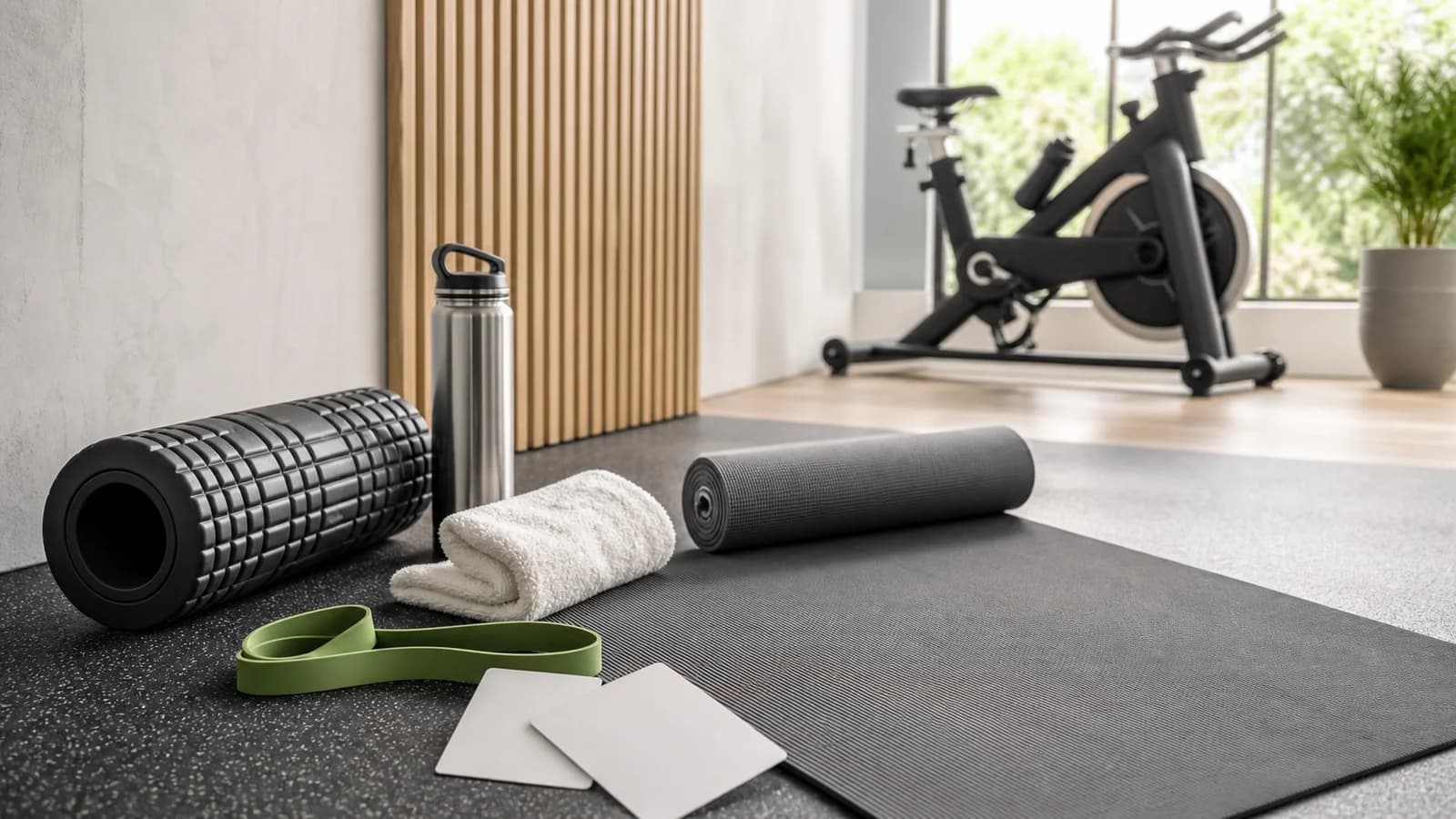
Foam rolling belongs in the same category. A 2019 meta-analysis by Wiewelhove and colleagues included 21 studies. Post-exercise rolling reduced muscle pain perception by about 6.0 percent (6.0%) and slightly attenuated strength-performance decreases by about 3.9 percent (3.9%), while the authors still judged many effects minor or partly negligible. So use the foam roller as a comfort and range-of-motion tool, not as permission to ignore recovery.
Choose the Recovery Tool by Tomorrow's Lift
Decision rule: pick the tool that makes tomorrow's main lift easier to start. If legs are trained tomorrow, choose an easy bike, a relaxed walk, and hip or ankle mobility. If upper body is trained tomorrow, use an incline walk, gentle rowing, shoulder circles, and upper-back mobility. If the whole body feels drained, choose a short walk and breathing-focused mobility rather than a workout with a score.
Choose your phone
Put this advice into your next workout
Track the sets, loads, and progress behind what you just learned—without rebuilding the plan from memory.
iOS is available now. Android launch notifications are open.
This is where easy cardio can be valuable. A low-intensity session similar to zone 2 cardio for beginners can build aerobic base without stealing the quality of your next strength day, as long as you keep it conversational and short enough to recover from. You are not trying to win the recovery day; you are trying to make tomorrow's training more predictable.
Be especially careful with hard running between lower-body sessions. Wilson's concurrent-training meta-analysis reviewed 21 studies and 422 effect sizes, and found that running, but not cycling, was linked with significant decrements in both hypertrophy and strength when combined with resistance training. That does not mean runners cannot lift. It means an active recovery day after squats should usually be low impact, easy, and limited before you add more running volume.
Use a Traffic-Light Check Before You Add Work
Checklist: use a traffic-light check before deciding the day. Green means soreness is mild, joints warm up quickly, and energy is stable; do 20-40 easy minutes and stop. Yellow means soreness changes how you move, sleep was poor, or the last session was unusually hard; do 10-20 minutes and keep the mobility gentle. Red means pain changes your gait, performance has dropped for several workouts, or motivation is low because fatigue is high; rest completely and adjust the plan.
Repeated red lights are not a character flaw. They are feedback that the week is too dense, the hard sets are too close together, or life stress is bigger than the program assumes. When that pattern appears, a planned deload week for strength training is smarter than stacking more recovery hacks on top of a plan that already exceeds your capacity.
The traffic-light check also protects active recovery from becoming random. If green keeps showing up, you may slowly add five minutes or one extra easy day. If yellow keeps showing up, hold the same dose. If red appears twice in a week, remove stress before adding anything else.
Log the Day So Recovery Becomes a Decision
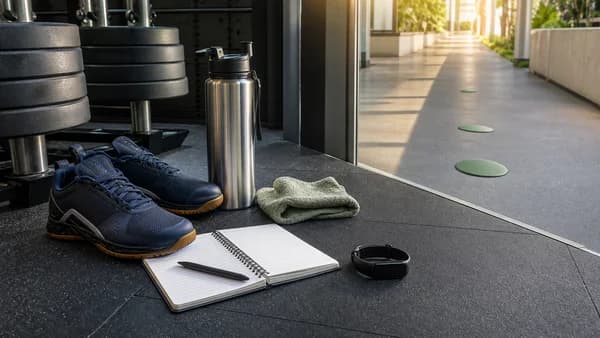
The useful question is not, "Did I do active recovery?" The useful question is, "Did tomorrow's training improve?" Track four things: soreness before the recovery session, easy minutes completed, energy that evening, and the first hard set of the next strength workout. If the first hard set feels smoother or matches last week with less grind, the recovery day probably helped. If it feels worse, the dose was too high or too close to the lift. That fits the broader ACSM resistance-training message: consistency and measurable training quality matter more than adding complexity for its own sake.
This is where Rukn Fitness can make the decision less emotional. Use your workout log in Rukn Fitness to place the easy day beside the next strength session, then compare the first working set, effort notes, and soreness trend before deciding whether to repeat, shorten, or skip the recovery day next week.
Keep the final rule boring on purpose. Active recovery is successful when it helps you repeat the next important session. If it competes with that session, shorten it, move it farther away, or call the day rest. Recovery is not laziness. It is part of how the next hard work stays high quality.
Sources
Choose your phone
Keep training with the app
Track every set, follow smarter progressions, and bring your workout plan with you when you leave the article.
iOS is available now. Android launch notifications are open.