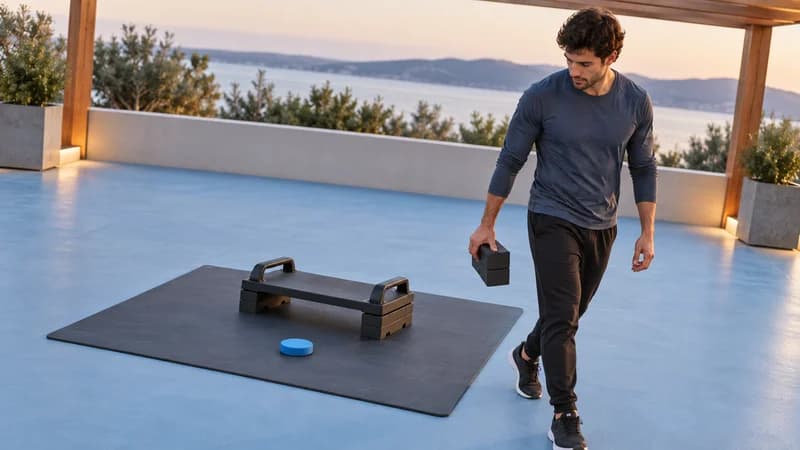
Bodyweight Progression Checklist: Choose Reps, Range, Leverage, or Load
Compare two push-up or squat entries, identify what actually changed, and choose one measurable progression for your next session.
Compare two push-up or squat entries, identify what actually changed, and choose one measurable progression for your next session.
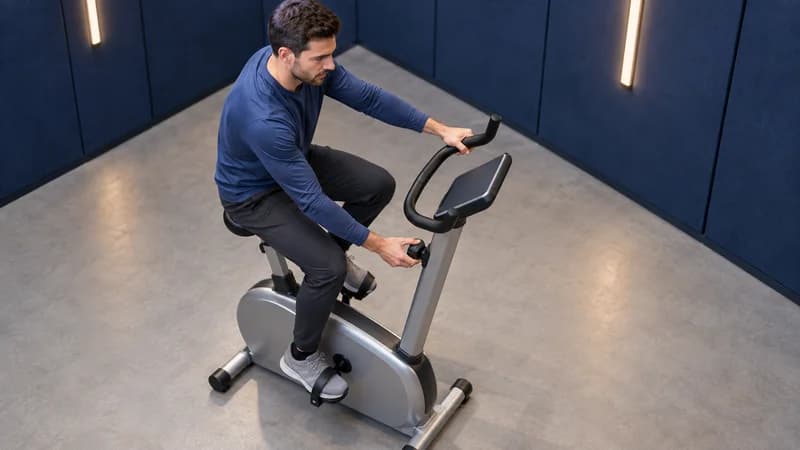
Build a three-ride baseline on the same stationary bike, compare only like-for-like sessions, and progress one variable at a time.
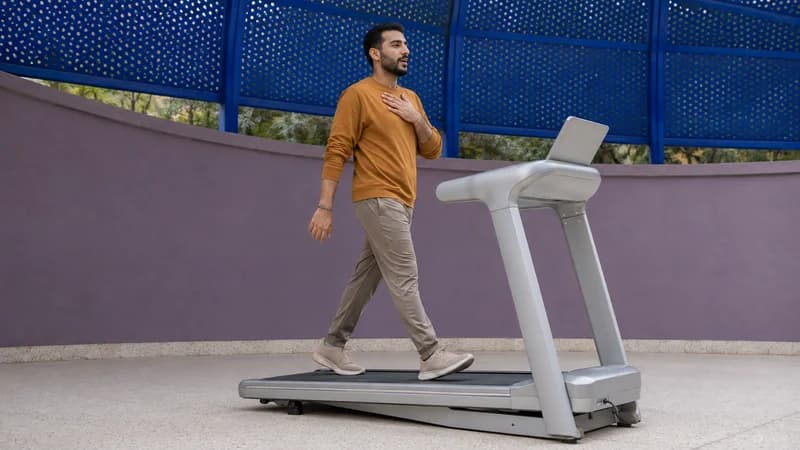
Start incline treadmill walking with a talk-test baseline, three weekly sessions, and a four-week time-first progression you can recover from.

Use one controlled eight-rep trial, a practical RIR corridor, and a confirmation set to choose a repeatable starting weight without max testing.
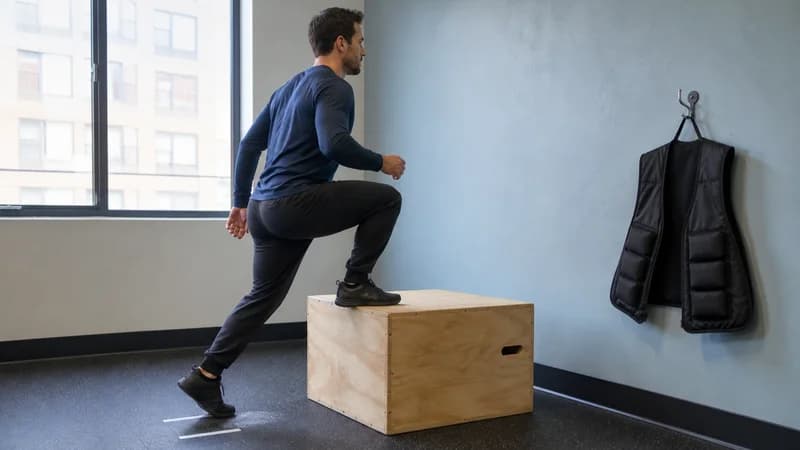
Use one controlled top set to calibrate the day, then choose back-off loads that preserve technique, useful volume, and a clear next-session decision.

Build warm-up sets before lifting by raising load, lowering reps, and stopping when the first working weight feels predictable—not tiring.
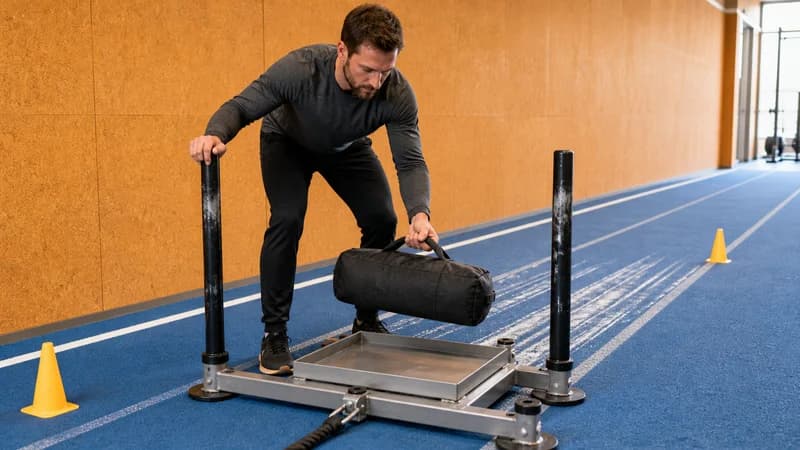
Use the double progression method to earn repetitions, add the smallest useful weight increase, and know when a set does not yet justify progression.
Choose how many days a week to lift by matching coverage, weekly hard sets, recovery, and log clarity instead of chasing a perfect split.
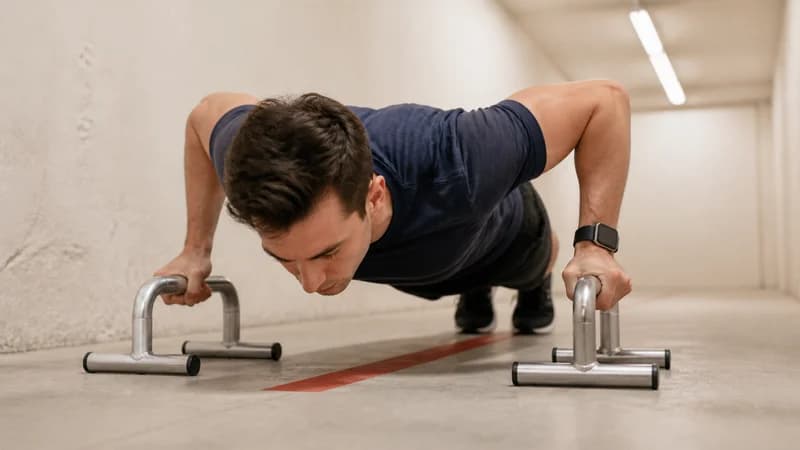
Use tempo as a repeatable control rule, not a magic slow count. Pick one honest cadence, keep range consistent, and log tempo changes separately.