Cardio Between Sets: When Walking Helps and When It Steals Strength
Use a simple rule for cardio between sets: move only when the next strength set stays clean, readable, and close to normal.
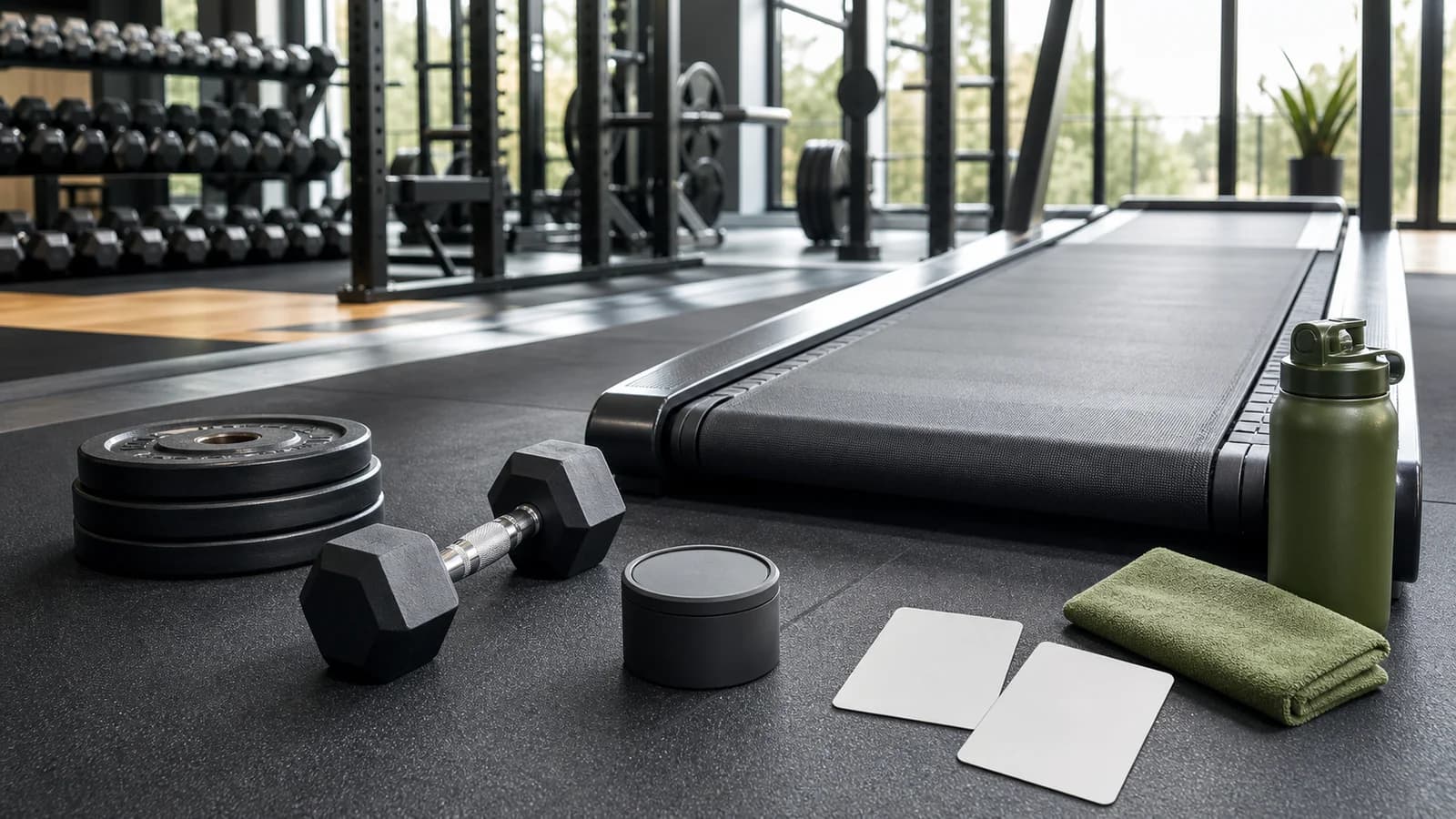
Cardio between sets sounds efficient because rest can feel like dead time. The problem is that rest is not empty time during strength training. It is the space where breathing settles, coordination returns, and the next set becomes readable. If you turn every rest period into hidden conditioning, you may collect steps while making the lift you care about harder to judge.
Decision rule: movement is fine until it changes the next set
Easy walking between sets is fine when the next set still looks like your normal set: similar reps, similar bar speed, similar technique, and breathing that is calm before you unrack or start the machine. If the next set drops suddenly, your brace feels rushed, or you need extra time just to stop panting, the walking was no longer recovery. It became another exercise competing with the set.
For heavy squats, deadlifts, presses, or any lift you are using to measure progress, treat rest like part of the set. Stay mostly still, walk only enough to loosen up, and let the next attempt be clean. For light accessories, easy steps may be harmless as long as the target muscle and form do not change.
Scenario map: the green, yellow, and red rule
Use a traffic-light rule. Green means gentle movement: slow walking, shaking out the arms, or one easy lap that leaves you ready before the next set. Yellow means the movement might be too much: incline walking, stair climbing, rushing across the gym, or chasing a step goal while your next set already feels less stable. Red means stop: hard intervals, breathless treadmill work, jumping rope, or anything that lowers reps, speed, range of motion, or attention.
This rule also protects your log. If movement between sets changes how hard a set feels, the set is harder to compare with last week. The same idea appears in the guide to warm-up sets and working sets: preparation should help the working set, not sneak extra training dose into the history. When the rest choice changes the dose, write it down.
What walking between sets can help
Walking is not the enemy. The CDC guideline gives adults a target of 150 minutes of moderate activity each week plus 2 days of muscle-strengthening work, so daily movement matters. The practical decision is where to place it. Easy walking between warm-ups, during machine accessories, or after a set that was never meant to test strength can help stiffness, keep you alert, and make a long session feel less passive.
The key word is easy. If you can hold a full conversation and your breathing is calm before the next set, the movement probably belongs. If you are adding walking because you are impatient, anxious about calories, or trying to turn lifting into conditioning, put that cardio after the main lifts or on another day. For the wider question of whether cardio threatens muscle, use the fuller guide on whether cardio burns muscle; the short answer here is that dose and timing matter.
Choose your phone
Put this advice into your next workout
Track the sets, loads, and progress behind what you just learned—without rebuilding the plan from memory.
iOS is available now. Android launch notifications are open.
Research translation: where cardio starts stealing strength
Rest quality can affect output. One 8-week resistance-training study compared 1-minute and 3-minute rest periods and found that longer rest can support better strength and hypertrophy outcomes when sets require high effort. That does not mean every set needs three silent minutes. It means that when a set is scored, heavy, technical, or close to failure, you should not spend the rest doing enough cardio to make the next set worse.
The interference question is also about patterns, not one easy lap. A meta-analysis of 21 studies and 422 effect sizes found that concurrent training effects depend on endurance mode, frequency, and duration, with running creating more risk than cycling in the included evidence. A short walk is not the same as a hard run, but repeated breathless cardio between lifting sets can turn a strength session into a mixed session without a plan.
Active recovery can feel productive without improving performance. In a bench-press study, active recovery lowered blood lactate but did not improve power performance. That is the practical warning: feeling flushed, warm, or less stiff does not prove the next set is better. The scoreboard is the next set: reps, technique, speed, effort, and whether the following session is still readable.
Mistake to avoid: changing the plan before you log the rest style
If you want to test cardio between sets, keep the experiment small. Pick one exercise, use the same rest style for that exercise today, and record rest notes and set outcomes in Rukn Fitness: passive rest, easy walk, incline walk, or cardio after lifting. Next time, compare the first hard set, the final set, and how quickly performance dropped. The app note matters because memory usually turns “I walked a little” into a vague feeling rather than usable data.
A simple log line is enough: “Bench press, easy walking between warm-ups only; working sets passive.” Or: “Cable row, slow walk between sets, reps stayed 12-12-11.” If reps fell early or form got sloppy, remove the walking before changing the program. If the real goal is saving time, a smarter superset workout may solve the problem better than filling every rest period with cardio.
The final rule is plain: keep cardio between sets green when the lift is not your main signal, turn it yellow when breathing or attention starts to drift, and make it red when performance changes. Cardio is valuable. Strength work is valuable. The best session lets each one do its job instead of hiding one inside the other.
Sources
Choose your phone
Keep training with the app
Track every set, follow smarter progressions, and bring your workout plan with you when you leave the article.
iOS is available now. Android launch notifications are open.