
Paper Workout Journal vs App: Run a Two-Session Test
Compare paper and an app across two strength sessions by testing complete capture, timely retrieval, and one clear next action.
Compare paper and an app across two strength sessions by testing complete capture, timely retrieval, and one clear next action.
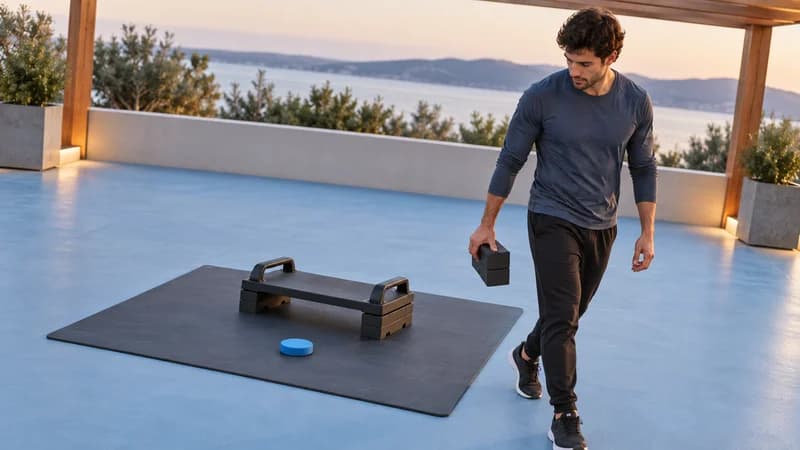
Compare two push-up or squat entries, identify what actually changed, and choose one measurable progression for your next session.
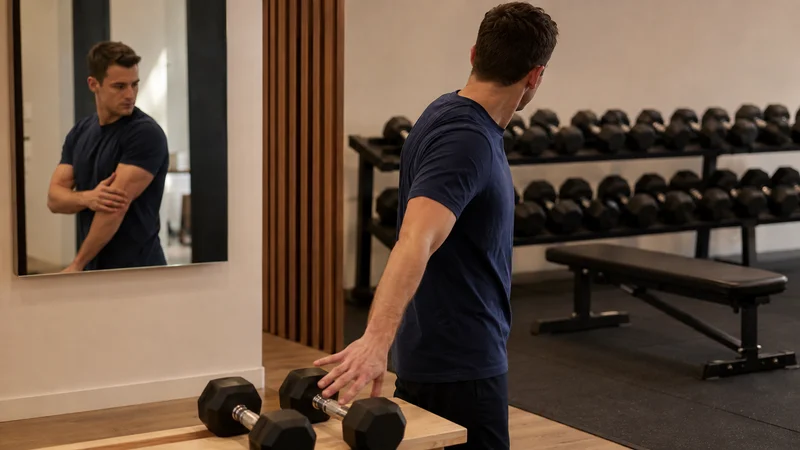
A muscle pump describes this session, not future growth. Use three time horizons and a like-for-like workout log to judge progress.
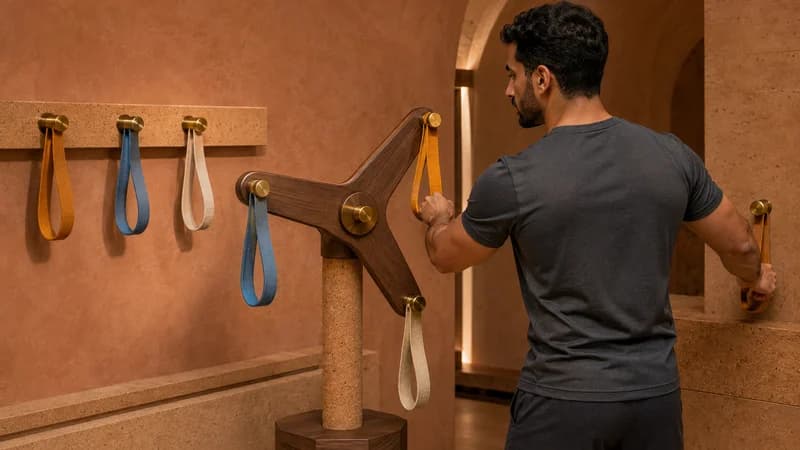
Compare fixed weekdays, a rolling A-B-C sequence, and a hybrid with a practical two-week audit for a schedule that changes.
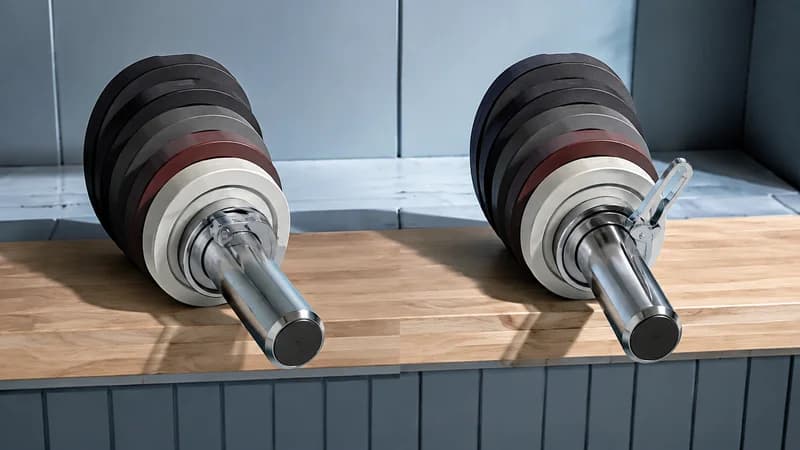
An estimated 1RM is a trend, not a max certificate. Use this like-for-like set test to accept, repeat, or discard a change in your workout log.
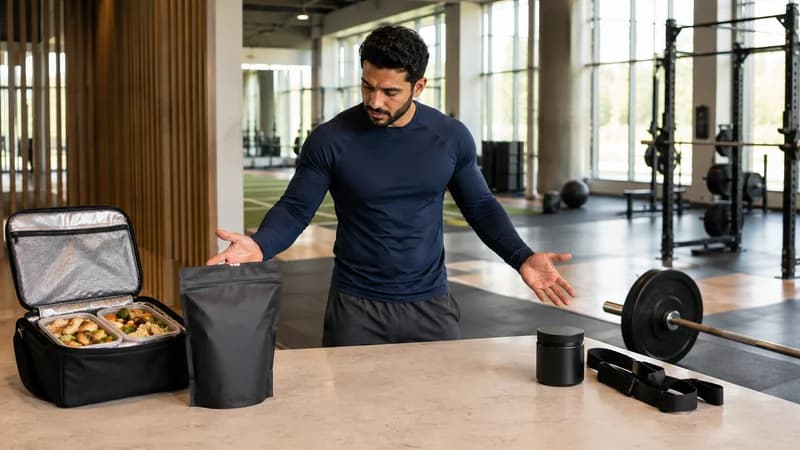
Creatine and protein powder solve different problems. Use this four-outcome test to choose protein, creatine, both, or neither without wasting money.

Use one controlled eight-rep trial, a practical RIR corridor, and a confirmation set to choose a repeatable starting weight without max testing.
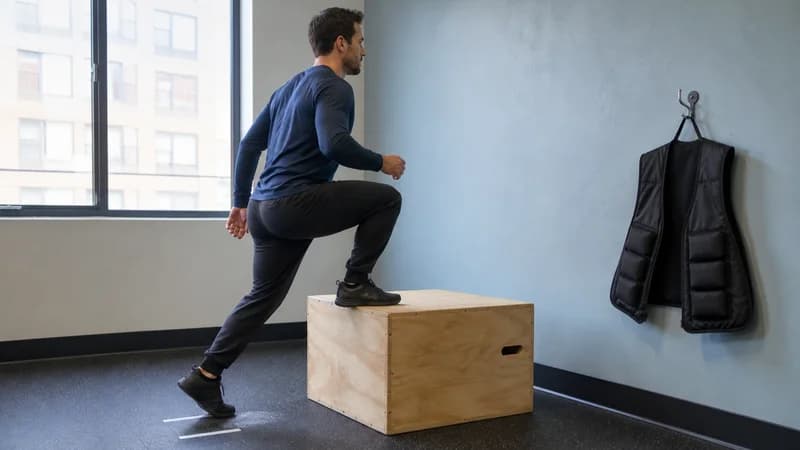
Use one controlled top set to calibrate the day, then choose back-off loads that preserve technique, useful volume, and a clear next-session decision.

Build warm-up sets before lifting by raising load, lowering reps, and stopping when the first working weight feels predictable—not tiring.