Machines vs Free Weights: The Beginner Rule for Each Exercise
Use this beginner guide to choose machines or free weights by exercise job, progression signal, and repeatable form.
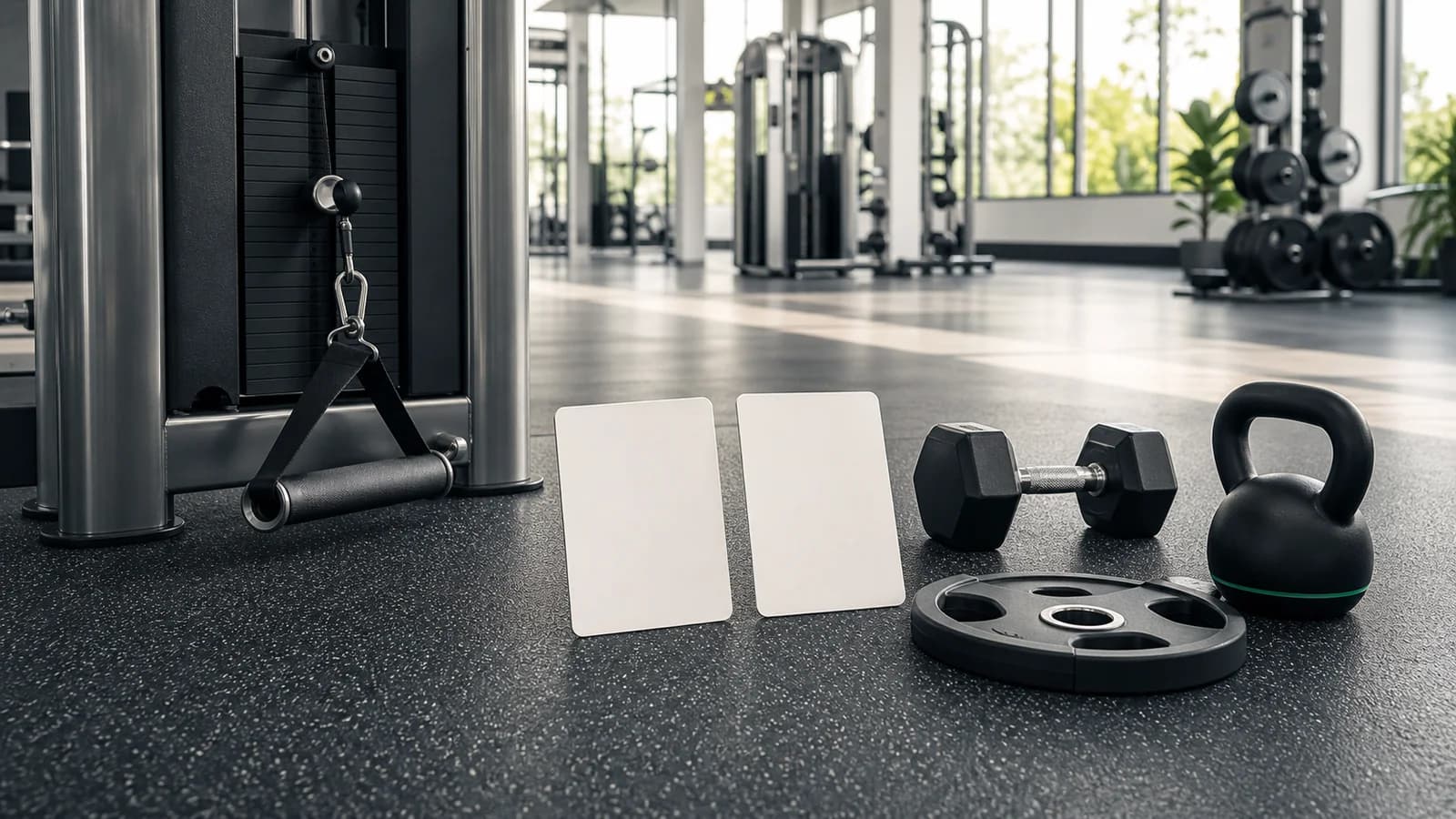
A beginner does not need to pick a side in the machines vs free weights debate. The useful question is smaller: which tool lets this exercise do its job today while still giving you a repeatable progression signal next week?
Quick answer: choose the tool by the exercise job
Use machines when balance, setup, or fear is the thing limiting the target muscle. Use free weights when the exercise skill itself matters: squatting, hinging, pressing, carrying, or learning how your body controls the load. If both versions train the same muscle well, choose the one you can repeat with cleaner reps for the next short repeat block. Decision rule: if stability is stealing useful reps, choose the machine; if the movement skill is the point, choose free weights; if both versions work, keep one version long enough to measure it.
That rule protects beginners from two bad extremes. Machines are not lazy if they help you reach the muscle without wobbling through every rep. Free weights are not magic if the set becomes a balance drill you cannot measure. Once the version is stable, use a simple weight-increase checklist before adding load.
Use machines when stability is the bottleneck
Machines are strongest when the beginner already knows the target muscle but cannot yet keep the rest of the body quiet. A chest press, leg press, seated row, hamstring curl, or cable row can reduce setup noise so the working muscle gets enough hard reps. That matters when a free-weight version makes every set feel like a different exercise.
They are also useful in a busy gym. If the dumbbells you planned are gone, a machine version can keep the training job alive instead of turning the session into random substitutions. The key is to swap by movement and muscle, not by convenience; the same logic from the busy-gym exercise order guide keeps the plan readable.
Use free weights when the skill is the goal
Free weights are strongest when coordination, range of motion, and whole-body control are part of the reason you chose the exercise. Dumbbell presses teach left-right control. Romanian deadlifts teach a hinge. Goblet squats teach bracing and depth. Carries teach posture under load.
The cost is that free weights expose more variables. Grip, stance, bar path, tempo, and confidence can change the result before the target muscle is truly challenged. If you switch from a machine to a free-weight version, do not compare the first week load directly. Log it as a new exercise variant, and use the same effort language from the RPE vs RIR guide so the new baseline reflects control, not ego.
Choose your phone
Put this advice into your next workout
Track the sets, loads, and progress behind what you just learned—without rebuilding the plan from memory.
iOS is available now. Android launch notifications are open.
What the research says about muscle and strength
Research translation: do not crown a universal winner before naming the exercise, the test, and the version you can repeat. The strongest practical summary is boring in a useful way: both tools can work. A 2023 systematic review and meta-analysis compared free-weight and machine-based training across 13 studies and 1016 adults, and it did not find a clear direct advantage for muscle growth when the trained movement was compared fairly. That means the beginner decision should start with fit, repeatability, and the exercise goal.
Specificity still matters. Free weights tend to improve free-weight tests better, and machines tend to improve machine tests better. An 8-week trial in 38 trained men also found both approaches effective for strength and hypertrophy without a clear joint-discomfort penalty. The practical takeaway is not that equipment is identical; it is that the best version is the one you can load, control, and repeat.
ACSM’s 2026 resistance-training position stand synthesized 137 systematic reviews and more than 30,000 participants to reinforce a bigger point: progressive resistance training is what drives the adaptation. The tool matters less than consistently training the right muscles with enough effort, enough recovery, and a plan you can keep.
Build a mixed beginner session
Example week: use this mixed pattern twice, then judge the log instead of changing tools every workout. A good beginner session can use both. Start with the exercise where skill quality matters most, then use machines for stable volume after technique starts to fade. For example, a lower-body day might use goblet squats first, leg press second, hamstring curls third, and calf raises or carries at the end.
For upper body, you might use a dumbbell bench press first, a machine row second, a cable pulldown third, and a machine or dumbbell shoulder raise last. The mixed session works because each exercise has a job. Free weights teach the skill you want to own. Machines keep useful work in the session when stability or fatigue would otherwise steal the signal.
Log the choice so progression stays fair
Do not hide a machine swap inside the same exercise history as a free-weight lift. A machine chest press, dumbbell bench press, and barbell bench press can all train the chest, but the numbers do not mean the same thing. In Rukn Fitness session history, keeping the version, load, reps, and effort note separate makes next week’s comparison honest.
When the same version repeats cleanly, the log tells you whether to add load, add reps, or stay put. If the free-weight version keeps changing because balance is the limiter, use the machine for the main working sets and keep the free-weight version as lighter skill practice. If the machine feels too locked in for your body, choose a dumbbell or cable option that lets the joints move naturally.
Sources
Choose your phone
Keep training with the app
Track every set, follow smarter progressions, and bring your workout plan with you when you leave the article.
iOS is available now. Android launch notifications are open.