How Many Sets Per Muscle Per Week Do You Really Need?
Use this practical set-volume guide to choose enough weekly work for muscle growth without adding junk volume or hurting recovery.
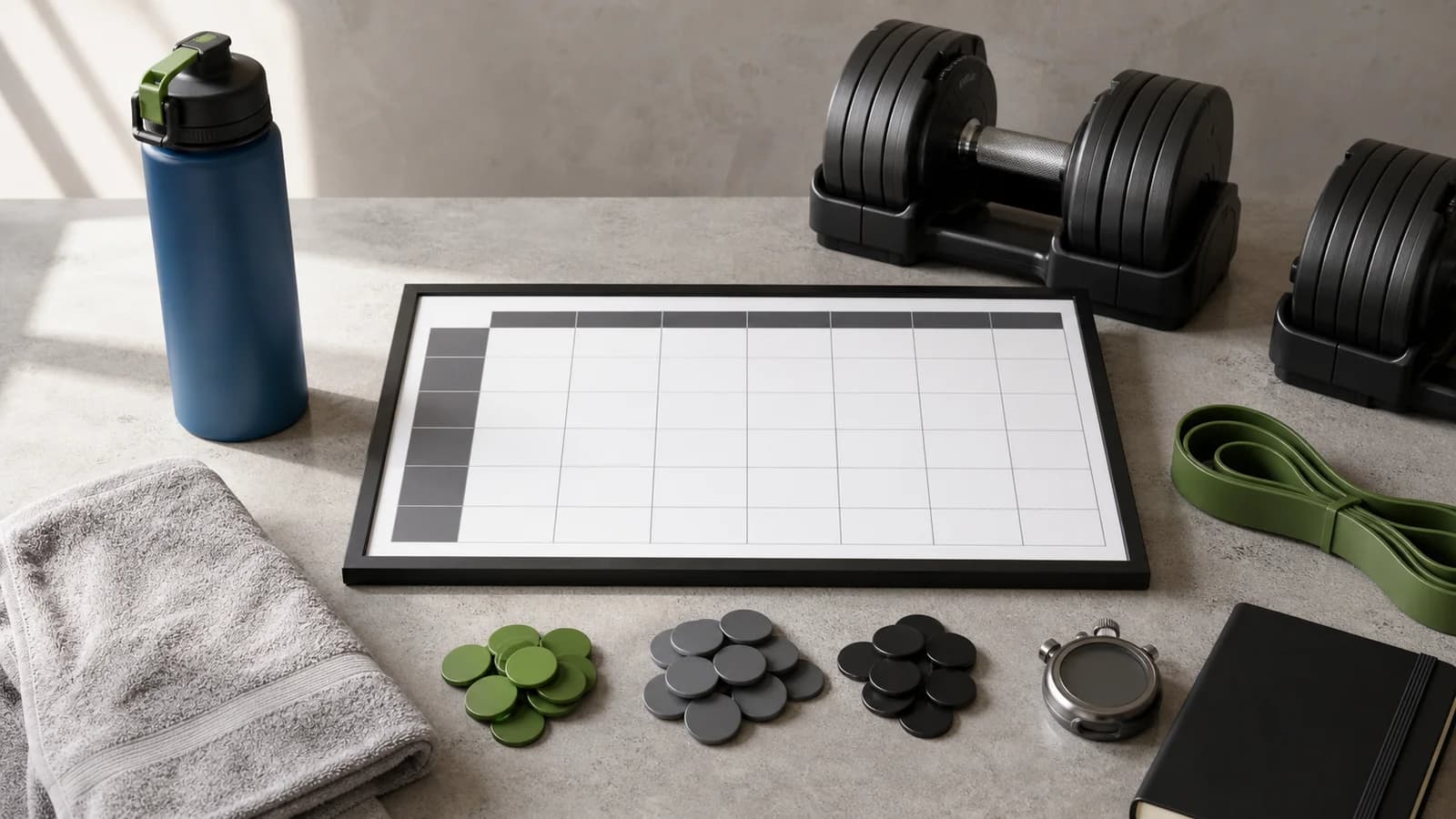
Most lifters do not stall because they chose 9 sets instead of 11. They stall because weekly volume is invisible: chest gets hammered on Monday, legs get squeezed in when life allows, and every hard set feels equally important until recovery says otherwise. A useful set target should help you train enough to grow, stop before junk volume takes over, and know exactly what to adjust next week.
The quick weekly set rule
For muscle growth, start with 6-8 hard sets per muscle per week if you are new, returning after time off, or training a muscle with unfamiliar exercises. Move toward about 10 sets per muscle group per week when technique is stable and recovery is normal. Go higher only for a lagging muscle, and add 2-4 sets at a time so the signal is easy to read.
- If you are new, use 6-8 hard sets and make every rep consistent.
- If you already train steadily, use about 10 hard sets as the first serious target.
- If a muscle is recovering well but not improving, add 2-4 sets for that muscle only.
- If soreness, sleep, or performance gets worse, remove 2-4 sets before changing the whole plan.
Build the week before adding volume
The weekly target matters because muscles do not care which calendar day held the work; they respond to repeated tension, enough recovery, and consistent practice. The CDC tells adults to train muscles on at least 2 days per week, which is a simple guardrail: spread sets so one session does not become a marathon. If your week is still messy, use a realistic beginner weekly workout schedule before chasing a bigger set number.
The ACSM 2026 position stand points most healthy adults toward resistance training at least twice per week and commonly 2-3 sets per exercise. That is not a command to do every exercise forever. It is a reminder to build coverage first: a beginner might use two chest exercises for 3 sets each, while an intermediate lifter might use presses and flyes across two days to reach the same muscle without cramming all the fatigue into one workout.
Choose your phone
Put this advice into your next workout
Track the sets, loads, and progress behind what you just learned—without rebuilding the plan from memory.
iOS is available now. Android launch notifications are open.
Count only sets that are hard enough
A set counts when it trains the target muscle close enough to matter and clean enough to repeat. Warm-ups, technique rehearsals, and easy pump work can be useful, but they should not inflate your weekly total. If you stop every set with 6 reps left, the spreadsheet looks busy while the muscle sees a weak signal. If every set goes to failure, the next session may suffer.
That is why weekly volume and effort belong together. Use the reps in reserve strength training guide to decide whether a set was close enough to count, then record it the same way next time. The Schoenfeld meta-analysis pooled 34 treatment groups from 15 studies and found a dose-response pattern, but the practical takeaway is smaller than the headline: each extra weekly set was linked with a modest 0.37 percent muscle-size gain, so adding volume should be deliberate rather than emotional.
Raise volume in small blocks
Do not add sets because one workout felt easy. Add them when three signs line up: the muscle recovered on time, key lifts held steady or improved, and your life can repeat the extra work next week. This is where tracking protects you from guessing. In Rukn Fitness, a simple logged weekly set plan can sit beside notes from your workout log so you can see whether more sets improved performance or only made the week heavier.
Use a two-week test. For example, if back training is flat at 8 hard sets, add 2 sets of a row or pulldown and keep other muscles unchanged. If reps climb and soreness stays normal, keep the new level. If elbows ache, sleep drops, or the next back day loses quality, return to the previous volume and improve execution, rest times, or exercise choice before adding more work.
Sources
- CDC adult physical activity guidance for the 2 or more days per week muscle-strengthening baseline.
- ACSM 2026 resistance training position stand for twice-weekly resistance training and 2-3 set prescription context.
- Schoenfeld et al. weekly volume meta-analysis for the dose-response evidence behind gradual set additions.
Choose your phone
Keep training with the app
Track every set, follow smarter progressions, and bring your workout plan with you when you leave the article.
iOS is available now. Android launch notifications are open.