
Rep Range for Muscle Growth: Choose the Load That Keeps Sets Honest
Use rep ranges as a load-selection tool, not a magic rule: choose 5-8, 8-15, or 15-30 reps by exercise, joint comfort, and clean progression.
Use rep ranges as a load-selection tool, not a magic rule: choose 5-8, 8-15, or 15-30 reps by exercise, joint comfort, and clean progression.

Use a priority-first rule for cardio after lifting: protect the workout signal that matters most, then place cardio where it helps instead of blurring progress.
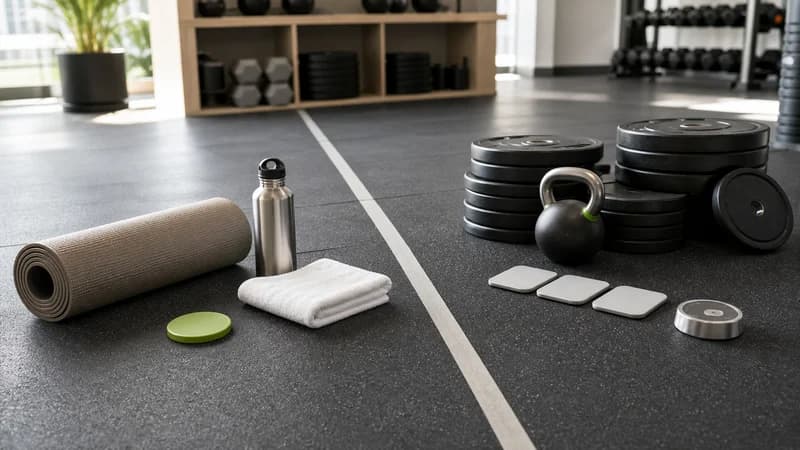
Use one rest day for a local bad session, and use a deload week when stalled lifts, soreness, and effort problems repeat.
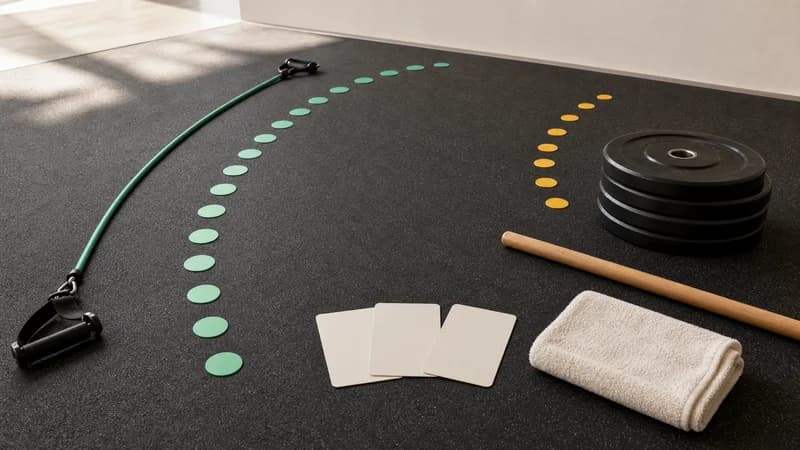
Full range of motion is the best default for counting clean reps, while planned lengthened partials can help when the range is clear and logged separately.
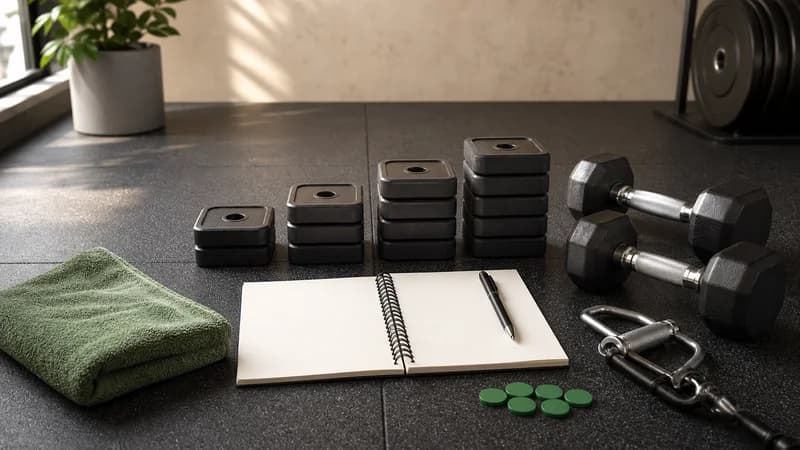
Find the smallest weekly hard-set budget that grows muscle without junk volume, recovery debt, or unreadable workout logs.

Use a clear deload checklist when strength, effort, soreness, and motivation trend down together. Back off without losing the progression signal.

Use sleep length, warm-up signals, and next-session risk to decide whether to train normally, reduce the session, or rest after a bad night.

Missed workouts do not erase progress. Use your last clean session, a simple return test, and a clear log rule before adding weight again.

Use two easy cardio sessions, simple effort checks, and leg-day feedback to build aerobic fitness without making heavy lower-body training feel worse.