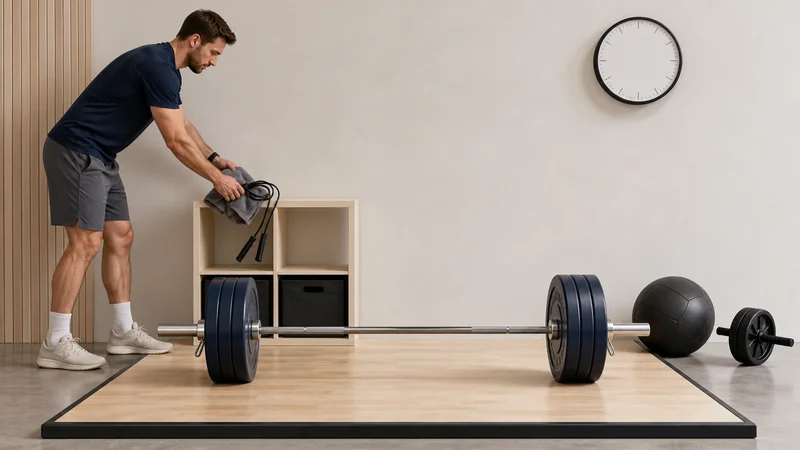
45-Minute Gym Workout Plan: Keep the Main Lift, Cut the Drift
Use a 45-minute gym workout plan that protects the main lift, pairs accessories intelligently, cuts drift, and logs the next progression decision.
Training science, workout tracking guides, progressive overload tips, product updates, and gym management insights from Rukn Fitness.
Use a 45-minute gym workout plan that protects the main lift, pairs accessories intelligently, cuts drift, and logs the next progression decision.
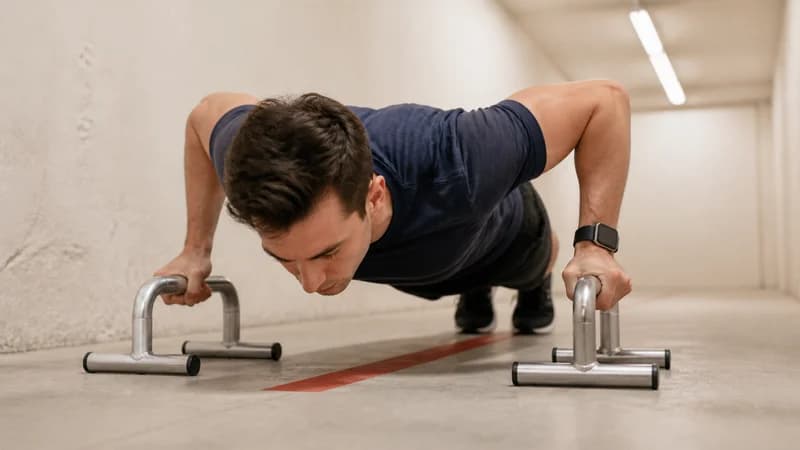
Use tempo as a repeatable control rule, not a magic slow count. Pick one honest cadence, keep range consistent, and log tempo changes separately.
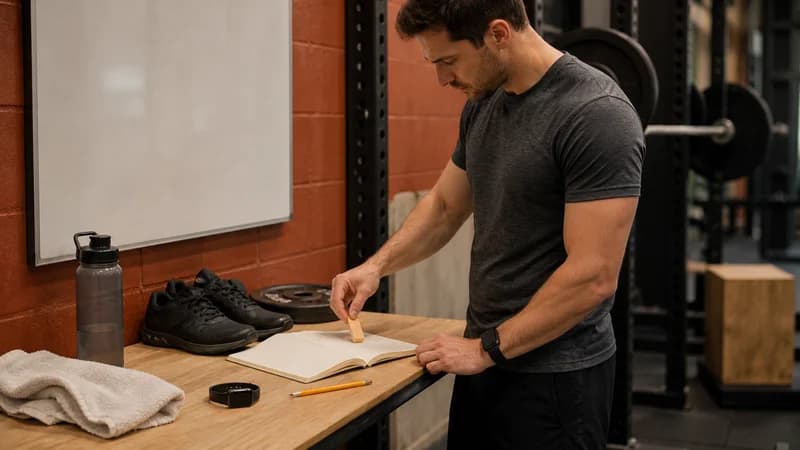
Fix workout log mistakes by recording setup, effort, recovery context, and the next action so each session tells you what to do next.
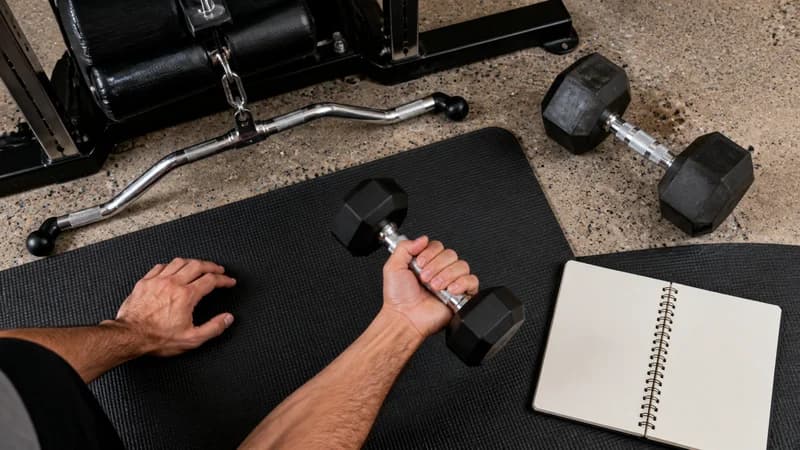
Use the machine until the pattern is repeatable, then test one lighter free-weight version while keeping the old machine baseline in your log.
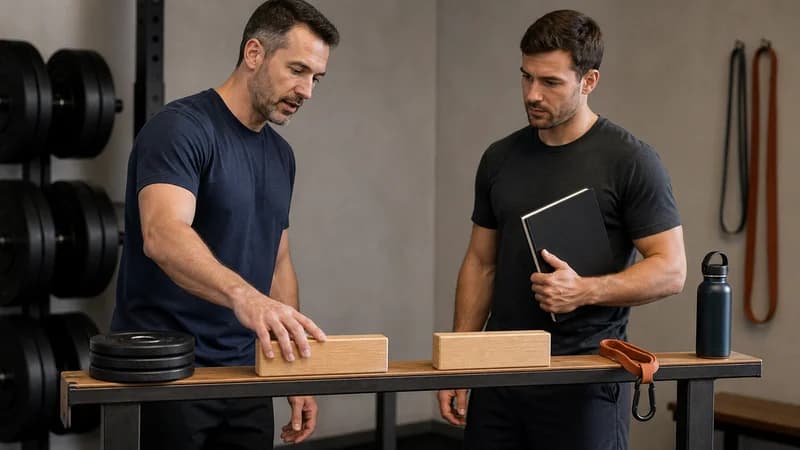
Use supersets to save time without blurring strength progress: pair non-competing moves, protect heavy sets, and check the log.
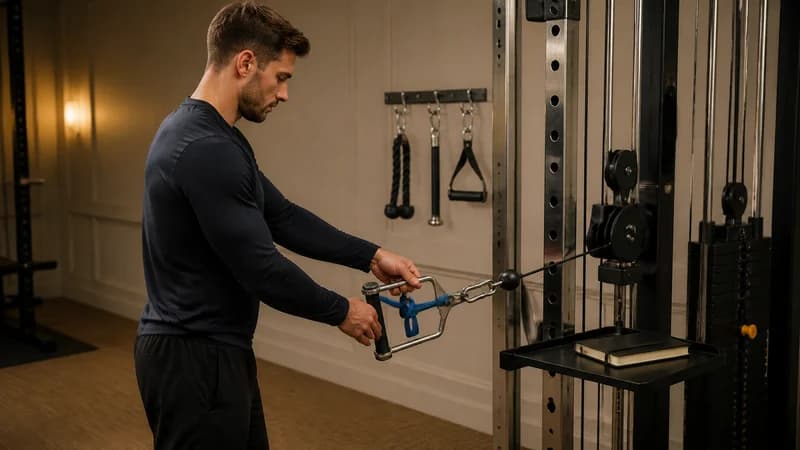
Move one lagging muscle's key lift to the first slot for a short test only when it needs a cleaner performance signal.

Training to failure can help, but muscle growth usually needs hard, readable sets close to failure, not every set forced to zero.

Use rep ranges as a load-selection tool, not a magic rule: choose 5-8, 8-15, or 15-30 reps by exercise, joint comfort, and clean progression.
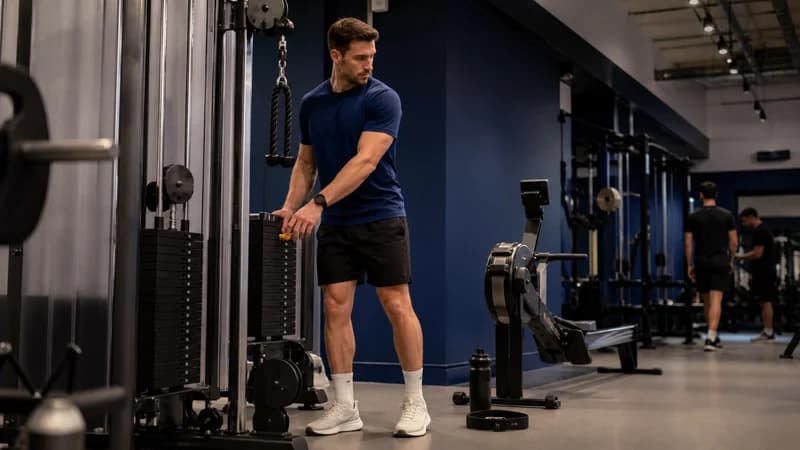
Use a priority-first rule for cardio after lifting: protect the workout signal that matters most, then place cardio where it helps instead of blurring progress.