
Does Sweating More Mean a Better Workout? Use Two Questions
More sweat can mean more cooling demand, not a better workout. Separate heat evidence from goal-specific training output with two questions.
More sweat can mean more cooling demand, not a better workout. Separate heat evidence from goal-specific training output with two questions.
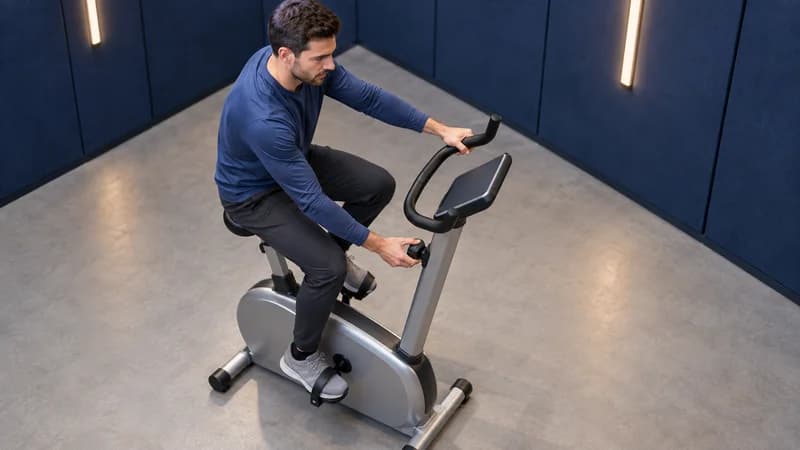
Build a three-ride baseline on the same stationary bike, compare only like-for-like sessions, and progress one variable at a time.
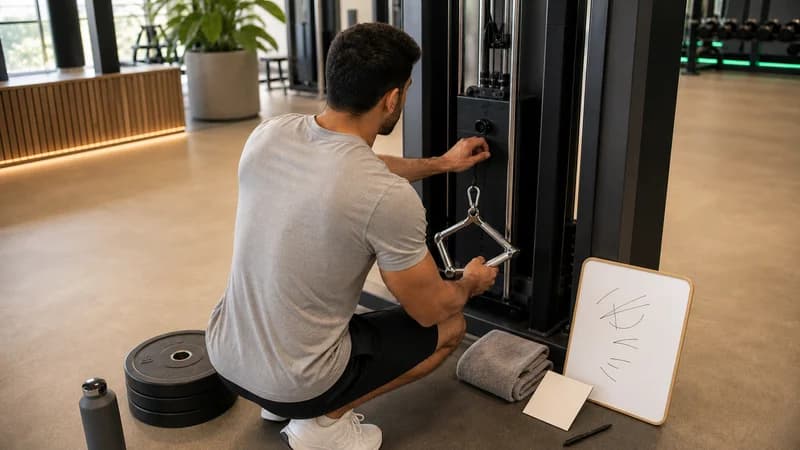
Use a three-signal checklist, small load jumps, and next-session review to know when to add gym weight without sacrificing form.
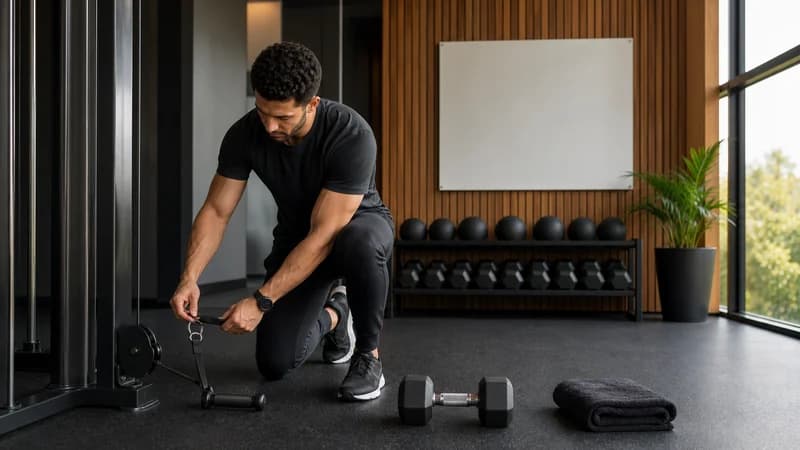
Use a simple superset decision rule to pair exercises, keep priority lifts honest, and shorten gym sessions without corrupting progress.

Use a practical soreness decision rule to choose normal training, a reduced session, or rest without turning every ache into panic.

Use a sleep-adjusted workout rule after a bad night: keep the habit, lower the risk, and make the next session easier to read.
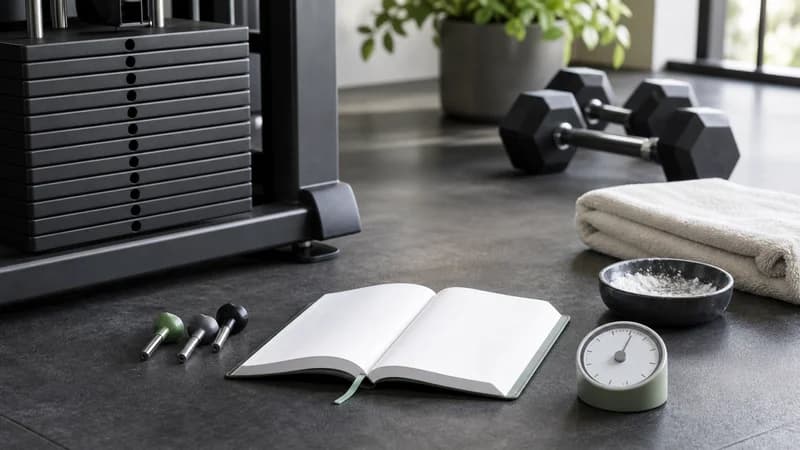
A practical failure set budget helps you train hard without turning every set into fatigue that hides progress.
Use a three-signal check when the first heavy rep feels wrong: setup, effort, and recovery decide whether to repeat, reduce, or stop.
Use a minimum effective training session when you only have 20-30 minutes: protect one priority lift, one useful second movement, and one log note.