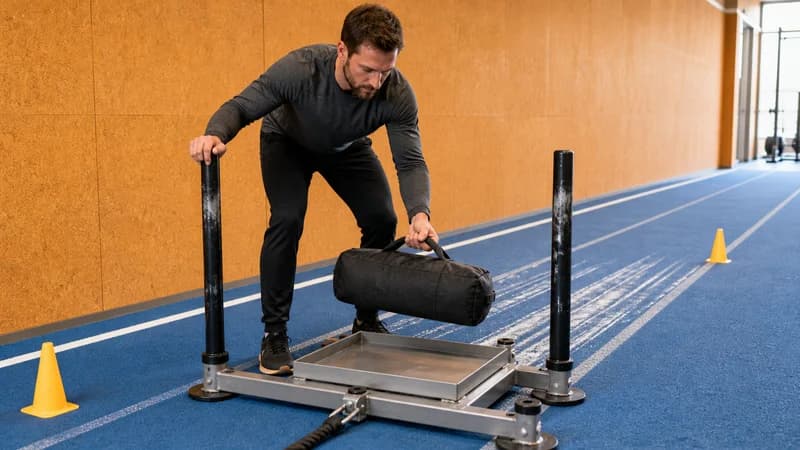
Double Progression Method: Add Reps Before Weight
Use the double progression method to earn repetitions, add the smallest useful weight increase, and know when a set does not yet justify progression.
Use the double progression method to earn repetitions, add the smallest useful weight increase, and know when a set does not yet justify progression.
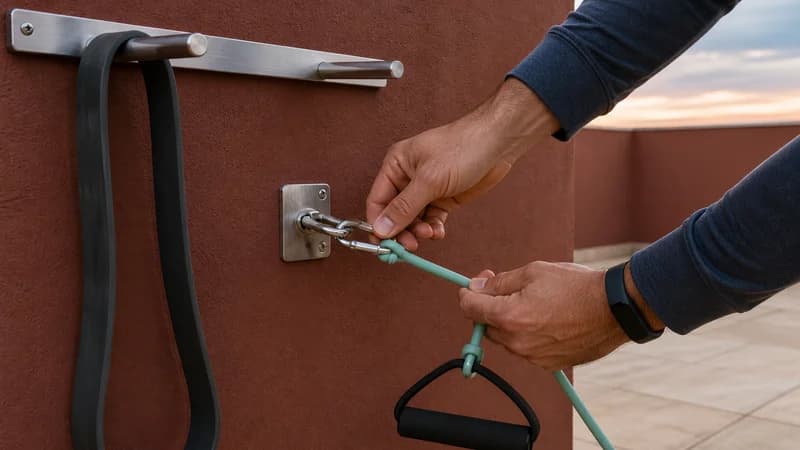
Use drop sets to replace selected accessory sets, save training time, and keep heavy main lifts, progression, and recovery readable.
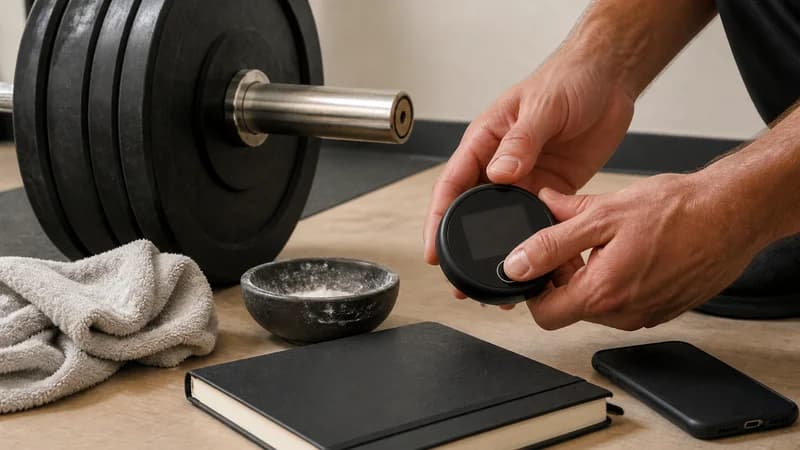
Use a workout rest timer to protect set quality, control session drift, and decide when short, medium, or long rest actually fits.

Use warm-up speed, form, sleep, soreness, and your last workout log to decide whether to keep the session, reduce load, cut sets, or stop.
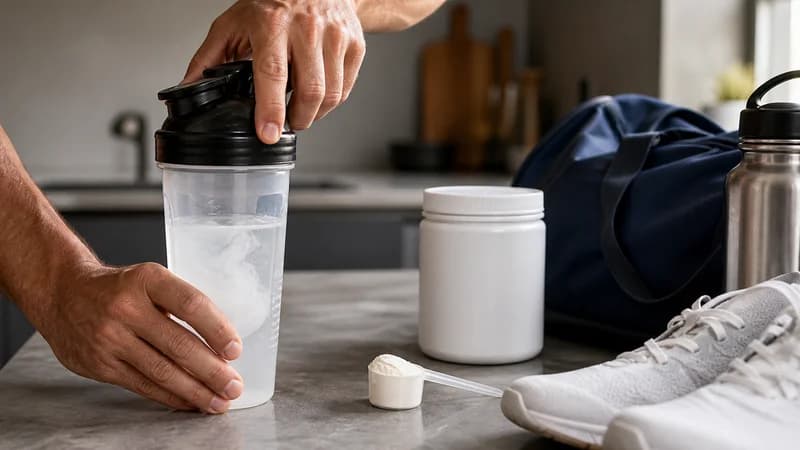
Use creatine before or after workouts if that helps you remember it, but make daily consistency, sensible dosing, and strength tracking the real decision.

Choose how many days a week to lift by matching coverage, weekly hard sets, recovery, and log clarity instead of chasing a perfect split.
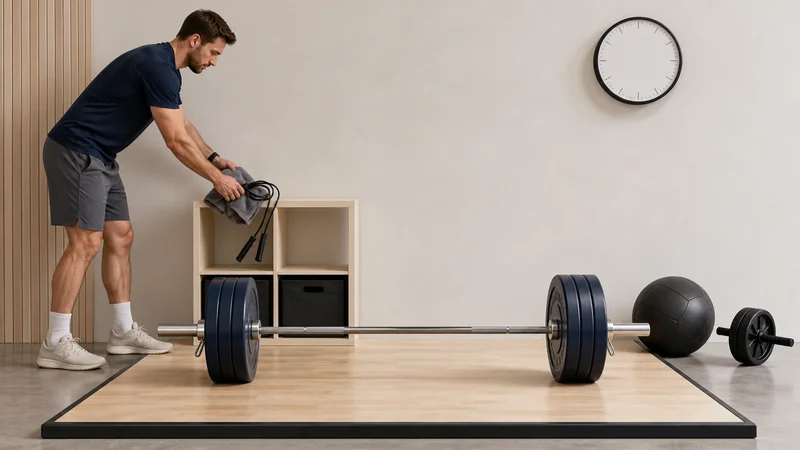
Use a 45-minute gym workout plan that protects the main lift, pairs accessories intelligently, cuts drift, and logs the next progression decision.

Use tempo as a repeatable control rule, not a magic slow count. Pick one honest cadence, keep range consistent, and log tempo changes separately.

Fix workout log mistakes by recording setup, effort, recovery context, and the next action so each session tells you what to do next.